Call: 07971670375
 Send Inquiry
 Send Inquiry
Cast Iron Coupling
MOQ : 2 Tons
Cast Iron Coupling Specification
- Surface Treatment
- Galvanized / Painted
- Process
- Casting
- Product Type
- Pipe Coupling
- Material
- Cast Iron
- Surface
- Smooth
- Dimension (L*W*H)
- Varies as per size (e.g. 50mm x 60mm x 80mm)
- Size
- 1/2 inch to 6 inch
- Weight
- 0.2 kg 5 kg (depending on size)
- Application
- Pipe fitting and plumbing connections
- Color
- Black / Silver Grey
- Pressure Rating
- Up to 25 Bar
- Standard
- IS 1879 / ASTM A197
- Connection
- Screwed or Socket Weld
- Corrosion Resistance
- High
- End Type
- Female Threaded
- Temperature Range
- -10°C to 220°C
- Usage
- Industrial, Agricultural, Water Supply
Cast Iron Coupling Trade Information
- Minimum Order Quantity
- 2 Tons
- Supply Ability
- 10000 Tons Per Month
- Delivery Time
- 1 Week
- Sample Available
- Yes
- Sample Policy
- Contact us for information regarding our sample policy
- Packaging Details
- As Per Buyers Requirement & Order
- Main Domestic Market
- All India
About Cast Iron Coupling
Cast Iron Coupling is widely used for connecting different pipes together, in the easiest manner. This coupling is made using iron materials and technological equipment by our workers. This coupling is available, depending on the required dimensions and allowable operating pressures. This is very much liked by our customers for its flawless functioning. Cast Iron Coupling is used to join two pipes or tube spigot ends. This coupling is tested under various parameters by our experts, to check its quality and working. This coupling is very cost effective and can be easily availed by our clients at nominal pricing, in bulk quantities.
Reliable Pipe Connections for Demanding Environments
The Cast Iron Coupling guarantees secure and leak-proof joints for pipe systems in diverse sectors, including agriculture, water supply, and industry. Its high-pressure and wide temperature tolerance, coupled with robust corrosion resistance, make it ideally suited for tough operational settings. Each piece undergoes precision casting and finishing, giving a smooth surface and extended service life.
Standards Compliance and Versatile Installation
Our couplings strictly adhere to IS 1879 and ASTM A197 standards, ensuring international compatibility and safety. They are engineered for easy installation through screwed or socket weld connections, accommodating a wide range of pipe fitting requirements. With multiple sizes and finishes available, customization for specific projects is simple and efficient.
FAQs of Cast Iron Coupling:
Q: How do I install a Cast Iron Coupling with a female threaded end?
A: You can install the coupling either by screwing it onto a matching male threaded pipe or by using socket welding for compatible systems. Ensure pipe ends are clean and appropriately prepared for a secure and leak-free fit.Q: What are the benefits of using cast iron couplings in industrial and agricultural settings?
A: Cast iron couplings provide high corrosion resistance, withstand substantial pressure up to 25 Bar and temperatures from -10C to 220C, and offer exceptional durability, making them reliable for demanding applications where longevity is critical.Q: Where are cast iron couplings commonly used?
A: These couplings are commonly used in industrial installations, agricultural pipeline networks, and various water supply projects due to their robustness and adaptability to different environmental conditions.Q: What is the manufacturing process for these cast iron couplings?
A: The couplings are manufactured through a casting process, followed by surface treatments like galvanization or painting. This ensures smooth finishes and enhances their corrosion resistance for prolonged service.Q: When should I choose socket weld over screwed connections for cast iron couplings?
A: Socket weld connections are preferred when a stronger, permanent joint is required, especially in high-pressure or vibration-prone systems. Screwed connections are suitable for installations where future dismantling or maintenance is expected.Q: What sizes and weights are available for cast iron couplings?
A: Cast iron couplings are available in sizes ranging from 1/2 inch to 6 inch, with weights depending on sizetypically between 0.2 kg and 5 kg.Q: Does the surface treatment on the coupling affect its performance or durability?
A: Yes, galvanizing or painting the surface significantly enhances corrosion resistance and longevity. The smooth finish also facilitates easier installation and maintenance, improving overall performance in harsh conditions.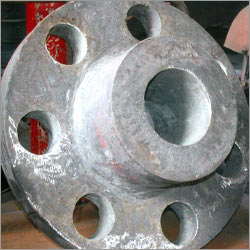
Tell us about your requirement

Price:
Quantity
Select Unit
- 50
- 100
- 200
- 250
- 500
- 1000+
Additional detail
Mobile number
Email

More Products in Steel Castings Category
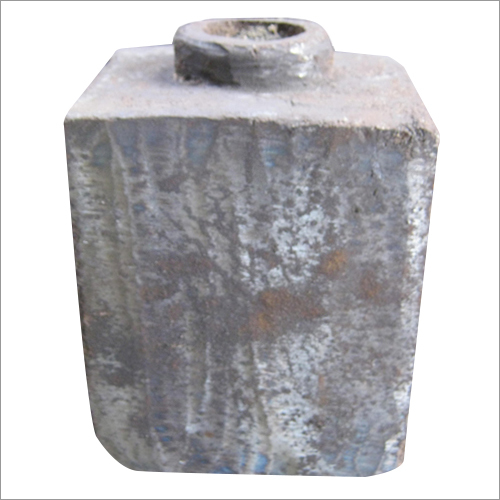
Cast Iron Wedge
Price Range 85.00 - 500.00 INR / Kilograms
Minimum Order Quantity : 2 Tons
Color : Grey / Black
Surface Treatment : Polished
Dimension (L*W*H) : 150 mm x 40 mm x 25 mm
Application : Machine Alignment, Construction, Industrial Purposes
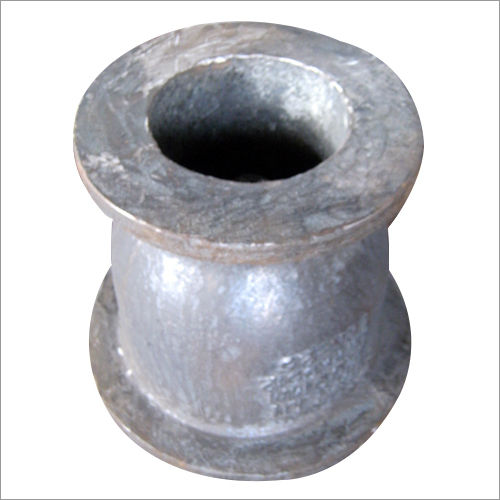
Steel Casting Air Valve Body
Price Range 85.00 - 500.00 INR / Kilograms
Minimum Order Quantity : 2 Tons
Color : Metallic Grey
Surface Treatment : Other, Sand Blasted
Dimension (L*W*H) : 240mm x 150mm x 180mm
Application : Industrial Air Release Valve
Steel Casting Bridge Bearing Casting
Price Range 85.00 - 500.00 INR / Kilograms
Minimum Order Quantity : 2 Tons
Color : Metallic Grey
Surface Treatment : Other, Shot Blasted
Dimension (L*W*H) : Customized as per drawing
Application : Bridge Construction, Structural Support
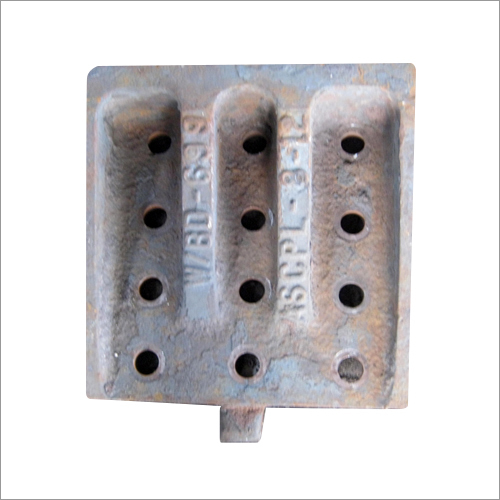
Steel Casting Back Stop
Price Range 85.00 - 500.00 INR / Kilograms
Minimum Order Quantity : 2 Tons
Color : Metallic Grey
Surface Treatment : Other, Shot Blasting
Dimension (L*W*H) : Customized
Application : Industrial Machinery, Conveyor Systems

Contact Details
VIKAS CASTINGS
GST : 19AAEFV2096H1ZU
- NH-6, Jaladhulagori, Sankrail Industrial Park, P.S. - Sankrail,Howrah - 711302, West Bengal, India
- Phone :07971670375
 Send Inquiry
|


Developed and Managed by Infocom Network Private Limited.
